
For decades, nations measured their strength through oil reserves, ports, highways and military capability. Today, a new strategic asset is defining geopolitical and economic influence: where a nation’s data resides and who controls it.
Against this backdrop, the inauguration of Sky47 AI Cloud and Karakoram-01 Data Centre in Islamabad is far more than the launch of another technology facility. Pakistan declares that its digital future deserves to be built, secured and owned at home.
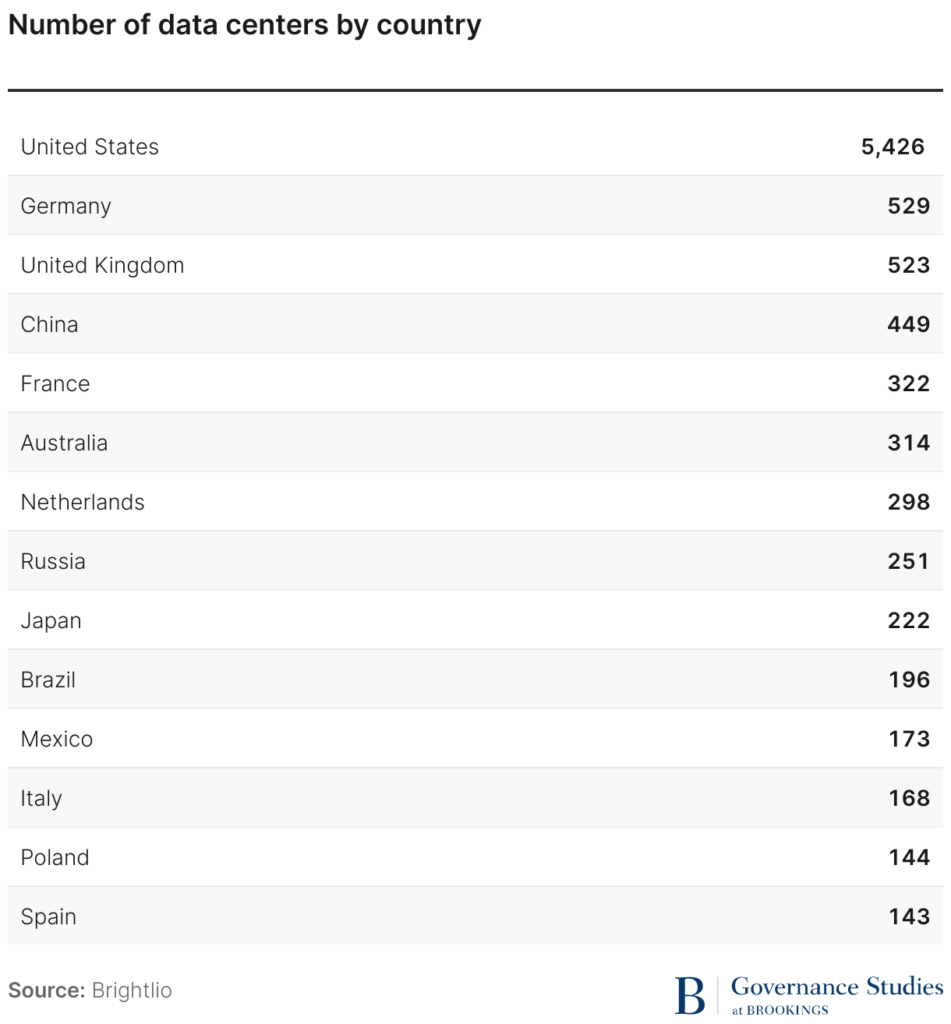
With an initial 8.5MW capacity and planned expansion into Karachi and Lahore, Sky47 marks one of the country’s most significant investments in digital infrastructure. In a world that now hosts over 12,000 data centres, Pakistan remains vastly underrepresented with just 22 operational facilities. That imbalance is more than a technological gap, it is an economic opportunity waiting to be unlocked. 
Research consistently shows that data centres act as economic flywheels. They attract investment, enable cloud computing, accelerate AI adoption, strengthen cybersecurity, create high-value employment and stimulate innovation across industries. Simply put, every new data centre strengthens a nation’s digital economy.
Pakistan is well positioned to capitalise on this opportunity. With one of the region’s youngest digital populations and an e-commerce sector growing at an annual 25–30% CAGR, the country possesses the demand, talent and entrepreneurial energy to become a serious digital economy. Yet without sovereign infrastructure, much of that value continues to flow beyond its borders.
Built in Pakistan. Built for Pakistan – Leading with a bold patriotic slogan – this transformation is Hassan Abbas, Chief Executive Officer of Sky47, whose career spans more than two decades building and scaling cloud, data centre and digital infrastructure businesses across the Middle East, Europe, Africa and the Caribbean. His experience includes directing mission-critical data centre infrastructure for Ooredoo Qatar during the FIFA World Cup 2022, alongside senior leadership positions at Millicom (Tigo), Vodafone and Digicel Group. Today, he is spearheading Pakistan’s ambition to develop one of the country’s most advanced Tier III and future Tier IV data centre ecosystems to power cloud computing, artificial intelligence and sovereign digital services.
As Abbas explains:
“In a country like Pakistan, with its immense digital energy and an e-commerce sector growing at 25 to 30 per cent year on year, there is tremendous potential to build and safeguard our digital boundaries. With this facility alone, we are adding more than 23 per cent to Pakistan’s national data centre capacity. This is only the beginning. Our ambition is to build Tier IV infrastructure that enables Pakistan to compete as a serious digital economy.”

The timing could not be more significant. As the Muslim world’s only nuclear power, Pakistan occupies a unique strategic position. In an era where data has become as critical as territory, safeguarding its digital infrastructure is no longer merely a national priority—it is a strategic responsibility. By investing in sovereign AI and data centre infrastructure, Pakistan is not only securing its own digital frontier but also setting a precedent for greater technological resilience across the Muslim world. As explored in our editorial, The Next Battlefield is Digital: Why the Muslim World Needs Sovereign Data Centres, digital sovereignty is rapidly emerging as the foundation of economic independence, cybersecurity and national security in the AI age.
Artificial intelligence has transformed data from a by-product into the world’s most valuable strategic resource. Every AI model requires enormous computing power, secure storage and low-latency processing. Countries that own this infrastructure will build the next generation of digital economies. Those that outsource it risk becoming perpetual consumers of foreign technology.
This is why governments across the world are racing to establish sovereign AI infrastructure. The United States, China, Saudi Arabia and the UAE have recognised that AI leadership is impossible without domestic computing capacity. Pakistan’s latest move places it firmly within that conversation.
The opportunity extends far beyond technology.
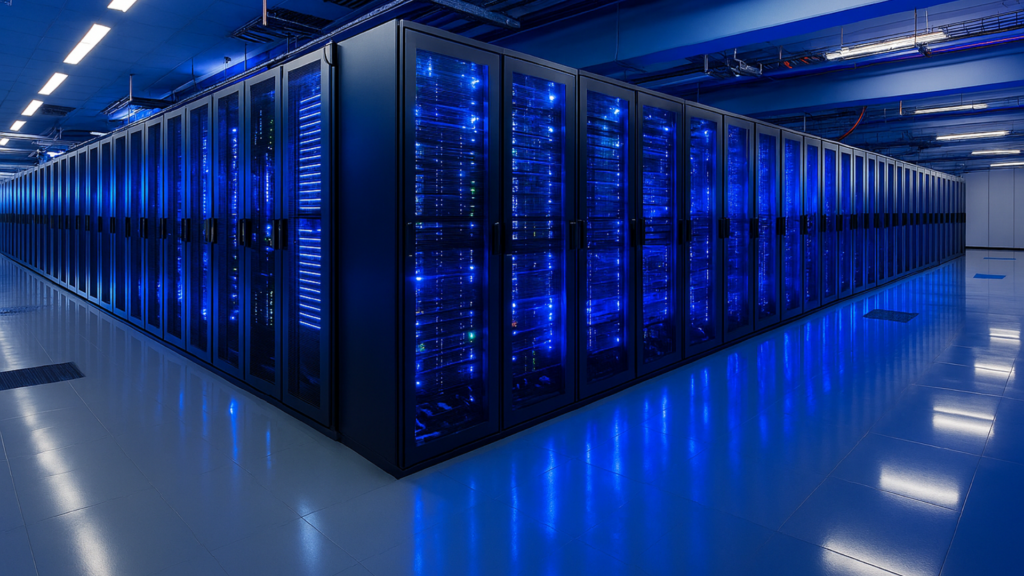
A sovereign data centre means financial institutions can process sensitive transactions domestically. Healthcare systems can securely host patient records. Universities and researchers gain access to high-performance computing. Start-ups can train AI models without relying entirely on overseas cloud providers. Government departments can protect critical national information within Pakistan’s own borders.
Perhaps most importantly, digital infrastructure creates economic infrastructure.
Global demand for data centres is expected to grow dramatically by the end of this decade, driven by AI adoption and cloud computing. Countries capable of supplying secure, reliable computing capacity will attract investment, talent and innovation that were previously impossible to capture. Pakistan’s youthful population and growing technology sector now have an opportunity to build on infrastructure that simply did not exist a few years ago.
Of course, infrastructure alone does not create a digital nation.
Pakistan must now invest equally in cybersecurity, renewable energy for power-hungry data centres, semiconductor capability, AI education, research ecosystems and policies that encourage private-sector innovation. Without these complementary pillars, even the most sophisticated facilities risk becoming underutilised assets.
Nevertheless, the direction is encouraging.
The nations that will shape the AI era will not necessarily be those that produce the most data, but those that own, secure and process it. Digital sovereignty is no longer a luxury reserved for technological superpowers; it is becoming a prerequisite for economic independence.
Pakistan’s largest AI data centre is therefore more than a building filled with servers.
It is an investment in national capability, a foundation for future innovation, and a reminder that in the age of artificial intelligence, sovereignty is measured not only by borders on a map, but by control over the data that powers the future.