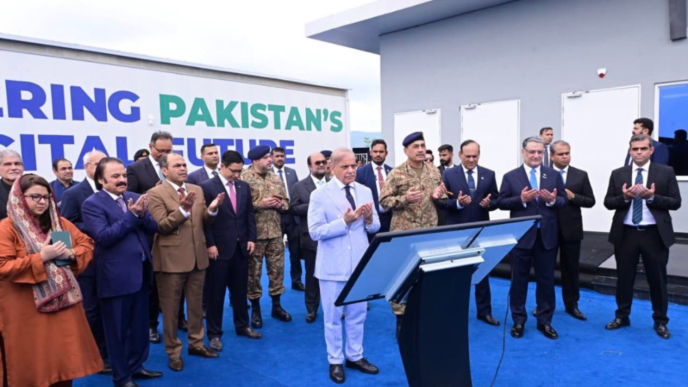
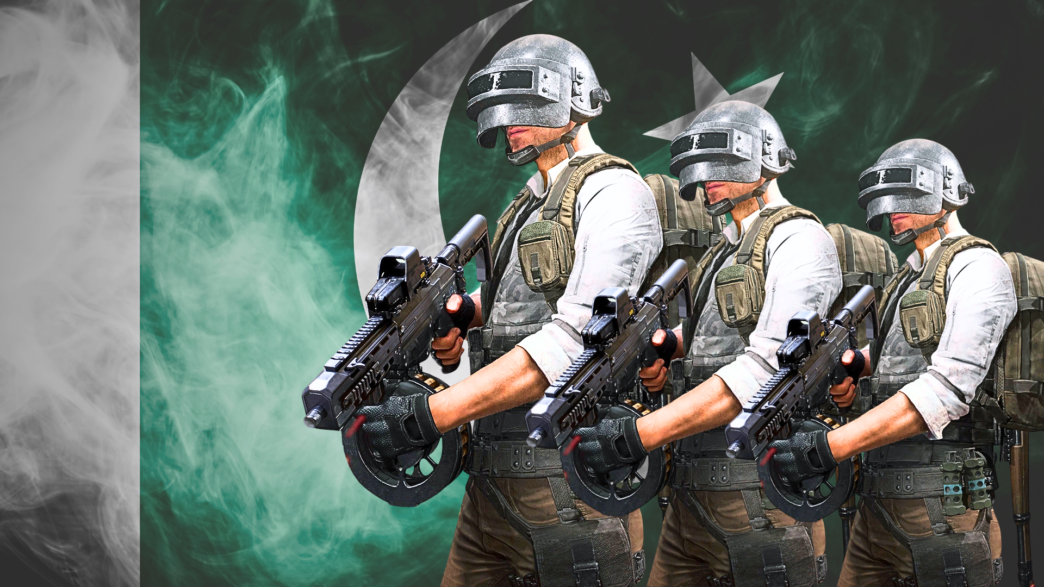
Pakistan’s confirmation as host of an official PUBG Mobile esports tournament in 2026 marks a watershed moment for the country’s digital economy and competitive gaming ambitions. For the first time, an esports event of this scale—sanctioned, global, and commercially significant will take place on Pakistani soil.
This is not merely a win for gamers. It is a signal that Pakistan’s esports ecosystem is maturing, and that global publishers now see the country as a viable destination for top-tier competitive gaming.
PUBG Mobile Esports Pakistan: From Passion to Platform
Pakistan has long been one of the largest PUBG Mobile player bases in South Asia, driven by mobile penetration, affordability, and a young demographic deeply embedded in online gaming culture. What it has lacked, until now, is institutional validation. 
Hosting a PUBG Mobile tournament in Pakistan elevates the country from a consumption-led gaming market to a host nation within the global PUBG esports circuit. It places Pakistan alongside emerging esports hubs such as Saudi Arabia, Indonesia, and Malaysia. These markets have leveraged tournaments to attract sponsorship capital, streaming audiences, and publisher investment.
For PUBG Mobile esports, where regional diversity and fan intensity matter as much as prize pools, Pakistan offers both scale and engagement.
Pakistan Esports on the Global Stage:
Despite limited infrastructure, Pakistan’s esports teams have steadily improved their global standing. Pakistani PUBG Mobile squads have qualified for international LAN events, most notably the PUBG Mobile World Cup, competing against elite teams from China, Southeast Asia, Europe, and the Middle East.
These appearances were not symbolic. Pakistani teams demonstrated tactical discipline, mechanical skill, and competitive resilience, challenging the long-held assumption that South Asian esports lag global standards.
The 2026 tournament builds directly on this momentum. Competing at home removes logistical barriers and gives local players a rare advantage: global exposure without global displacement.
PUBGM Esports Players in Pakistan: A Talent Inflection Point
For PUBGM esports players in Pakistan, this tournament is a career inflection point. International scouts, organizations, sponsors, and content platforms follow official PUBG Mobile events closely, creating avenues for players to secure international contracts, regional league invitations, and brand partnerships.
Monetization through streaming and content creation will also become a realistic career pathway, as similar tournaments in Southeast Asia have demonstrated overnight the potential for professional gaming to become a full-time profession.
Esports Growth in Pakistan: Economics Beyond Gaming
The economic implications extend well beyond the arena. Hosting a major PUBG Mobile esports event activates multiple layers of the digital economy, from event production and broadcasting to influencer marketing, streaming rights, and brand sponsorships.
In 2025, the global esports industry is estimated to generate between USD 2.8 billion and USD 4.8 billion in revenue, with growth driven by sponsorships, media rights, advertising, and large-scale tournament ecosystems. The market is projected to reach around USD 3.3 billion in 2026 and surpass USD 7 billion by the early 2030s, with longer-term forecasts pointing to a potential USD 18.8 billion industry by 2035, powered by mobile esports adoption and deeper monetisation.
Within this expanding landscape, Pakistan’s current revenue share remains marginal, tentatively around 1% but despite its sizeable and highly engaged mobile gaming population, Pakistan is positioning itself to move from participation to value creation, capturing sponsorship, media, and event-driven revenues. Even a modest gain in global share would carry meaningful economic and strategic significance as esports continues its transition into mainstream digital entertainment.
It also creates opportunities in tourism, hospitality, and venue services. Globally, esports has become a media and entertainment vertical, not a niche hobby. For Pakistan, where youth employment and digital inclusion are national priorities, esports offers a scalable, export-oriented opportunity.
The Execution Risk: Where the Pakistan Esports Industry Must Go Right
The opportunity, however, comes with execution risk. Global esports audiences expect transparent tournament operations, reliable infrastructure and connectivity, player welfare, visas, and high-quality broadcasting aligned with international standards.
If executed well, Pakistan strengthens its credibility across the global esports ecosystem. If mishandled, the moment risks being reduced to a missed opportunity rather than a market breakthrough. This places responsibility squarely on organizers, publishers, sponsors, and regulators to treat the event as a platform-building exercise, not a one-off spectacle.
Why PUBG Mobile Tournament 2026 Matters
At a time when global publishers are expanding into non-traditional markets, Pakistan’s entry as a host nation is strategically timed. Mobile esports continues to outpace PC and console growth in emerging economies, and PUBG Mobile remains one of the most commercially powerful esports titles worldwide.
For Pakistan, the 2026 tournament is not just about gaming; it is about visibility, legitimacy, and long-term positioning in a trillion-dollar digital economy.
The Bigger Picture Of Pakistan’s Esports Industry
This is how ecosystems are built: first participation, then performance, and finally ownership of the stage. By hosting an official PUBG Mobile esports tournament in 2026, Pakistan crosses the final threshold.
The country is no longer just producing players; it is producing platforms. The world will be watching. What follows will define whether Pakistan becomes a recurring fixture on the global esports calendar or a brief headline in its margins.