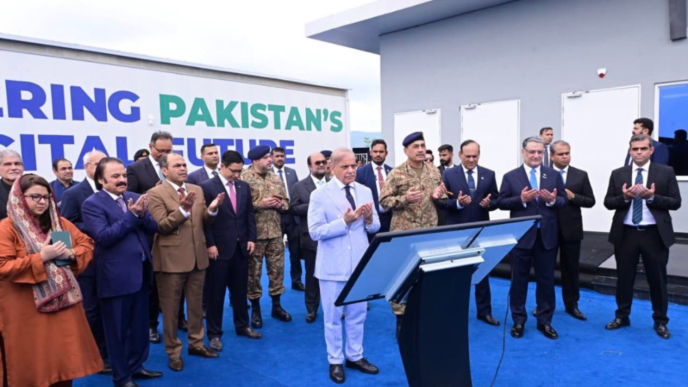
Pakistan’s recent engagement with Binance has sparked a familiar cycle of reactions, ranging from excitement over “crypto legalisation” to warnings of financial instability. Both interpretations are misplaced. What is unfolding is neither an endorsement of speculative assets nor a retreat from monetary discipline. It is a calculated regulatory signal, one that reflects a growing recognition inside Pakistan’s policy establishment that digital financial activity already exists at scale, largely outside formal oversight, and that continuing to ignore it now carries greater systemic risk than engaging with it.
This is, above all, a governance decision.
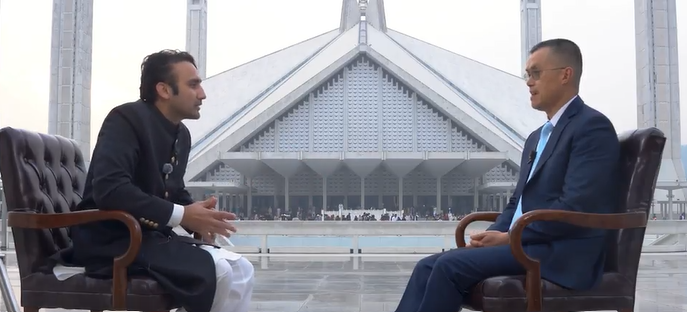
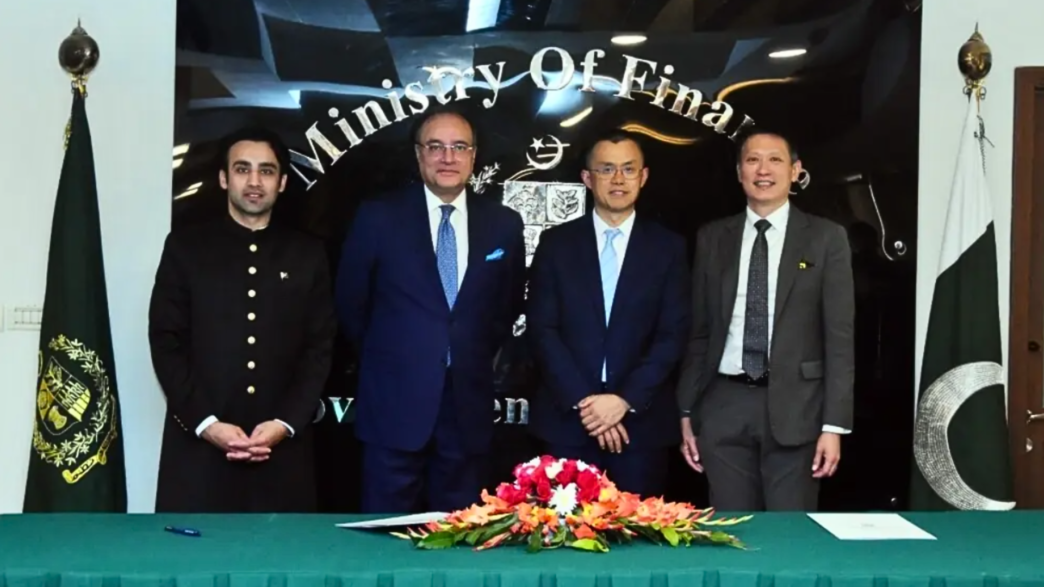
Changpeng Zhao, Binance’s founder and CEO, described the agreement as “a great signal for the global blockchain industry and for Pakistan,” noting that it marks the beginning of a move toward full deployment of the tokenisation initiative and expressing confidence in the collaboration with Pakistan’s leadership to deliver “positive and lasting outcomes for the economy.”

Why Pakistan Approves Binance?
The country has initiated structured discussions with Binance under a phased regulatory framework that emphasises compliance, technical cooperation, and controlled experimentation. No open-ended market access has been granted. Cryptocurrencies are not being declared legal tender, and the State Bank of Pakistan retains full authority over monetary policy and capital controls. The objective is not to liberalise crypto markets, but to understand how large digital platforms can be brought within Pakistan’s financial perimeter rather than operating beyond it.
The timing of this move is not accidental. Despite regulatory ambiguity, crypto usage in Pakistan has grown through informal peer-to-peer channels and offshore platforms. These flows remain largely invisible to regulators, unmonitored for anti-money laundering purposes, and disconnected from the domestic banking system. From a financial stability standpoint, this informality is the real concern. When capital moves outside the system, policymakers lose visibility, data, and ultimately control. Regulation, in this context, becomes a tool for oversight rather than endorsement.
Economic pressures have also sharpened the calculus. Pakistan continues to face foreign exchange constraints, elevated remittance costs, and limited access to diversified sources of global capital. Digital financial rails, when structured and supervised, offer potential mechanisms to reduce friction, improve traceability, and mobilise diaspora capital more effectively. Blocking these channels does not halt capital movement; it simply pushes it into grey markets where regulatory safeguards are weakest.
Pakistan’s approach also mirrors a broader global shift. Over the past two years, regulators across Europe, the Middle East, and parts of Asia have moved away from blanket prohibitions toward defined crypto frameworks. The logic is increasingly pragmatic: digital assets and platforms pose risks, but unmanaged informality poses greater risks. Engagement allows regulators to set standards, impose reporting obligations, and test safeguards before market behaviour hardens in unregulated forms.
Finance Minister Muhammad Aurangzeb described the memorandum of understanding with Binance as a “strong signal of Pakistan’s reform trajectory” and a long‑term partnership. He emphasised that the deal sends a message not only domestically but internationally about Pakistan’s willingness to engage with regulated digital asset technology as part of broader financial reform efforts.
Pakistan’s Binance Approval Is Not a Crypto Endorsement
It is equally important to clarify what this development does not represent. Pakistan is not moving toward a crypto-based savings, currency substitution, or financial deregulation. There is no indication of relaxed capital controls or encouragement of retail speculation. The policy intent is narrower and more technical to bring an existing parallel financial activity into view, where it can be monitored, measured, and, where necessary, constrained.
According to Bilal bin Saqib, the Chairman of the Pakistan Virtual Assets Regulatory Authority (PVARA) and Special Assistant to the Prime Minister for Binance & Crypto,Saqib, this approach opens a “regulated, transparent and internationally compliant pathway” for operations while enabling oversight of anti‑money laundering and counter‑terrorism financing measures.
Binance’s relevance in this context lies less in trading volumes and more in infrastructure. Large platforms offer custody systems, compliance tooling, tokenisation capabilities, and access to global liquidity pools that smaller players cannot replicate. For regulators, engaging at this level provides a controlled environment for studying asset tokenisation, regulated on- and off-ramps into the banking system, and real-time flow monitoring. The objective is not scale for its own sake, but structure before expansion.
The immediate announcement, however, is only the opening chapter. The substantive question is whether Pakistan can translate this engagement into durable economic outcomes, deeper capital markets, lower remittance friction, improved financial inclusion, and greater transparency in cross-border flows without undermining monetary control or financial stability. That outcome will depend less on intent and more on sequencing, regulatory capacity, and institutional discipline.
This decision opens a set of economic pathways Pakistan has never fully unlocked. Whether they strengthen the system or strain it will be determined by how carefully they are designed.
In the next piece, we examine those opportunity layers in detail — separating headline noise from hard economics, and explaining where real value could realistically emerge if regulation is executed with precision.
Beyond Trading: The Economic Levers Pakistan Unlocks by Regulating Binance (Part 1)